The Effect of Data Centers on the Texas Power Grid
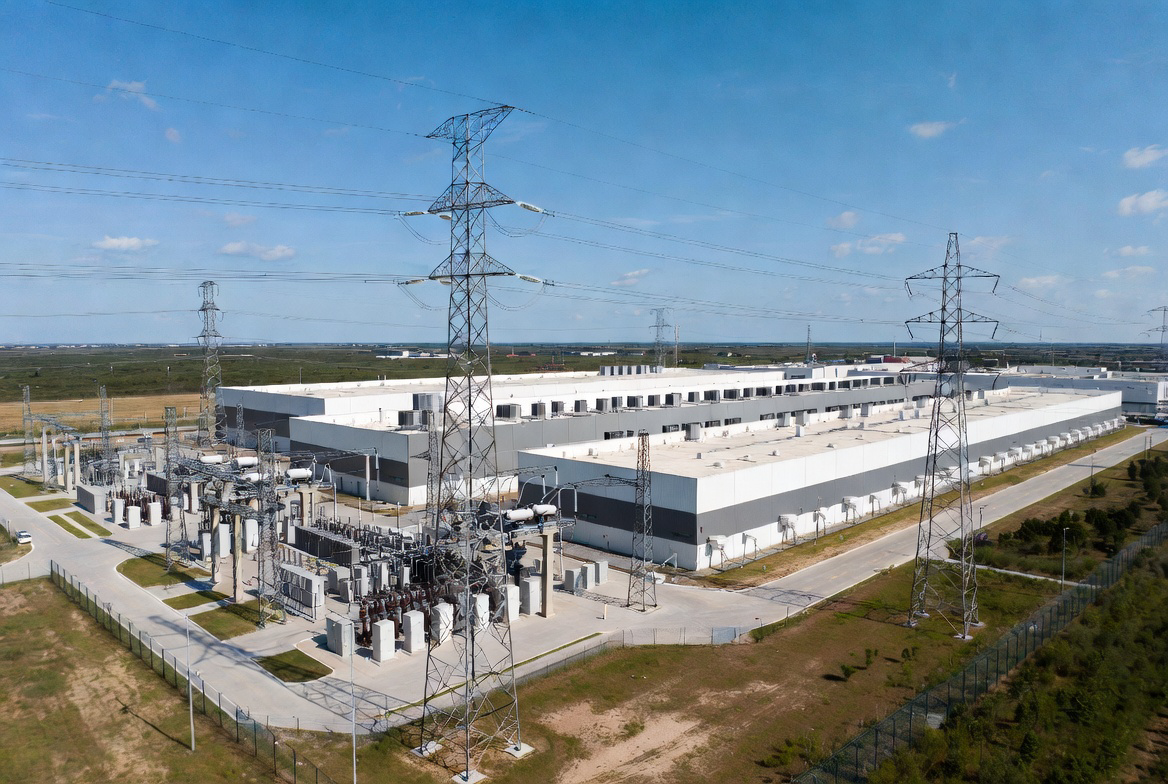
Texas lies at the heart of a technological transformation driven by artificial intelligence, cloud services, and large-scale data processing. The Lone Star State has quickly become one of the leading locations for data centers across the United States. Factors such as plentiful available land, favorable regulations, comparatively affordable energy, and ready access to natural gas for local power generation have drawn heavy investment. Yet this rapid expansion creates significant challenges—and certain advantages—for the state’s electricity system, overseen mainly by the Electric Reliability Council of Texas (ERCOT).
By 2025, data centers in Texas reached a peak power demand of roughly 8 GW, still only a portion of the grid’s overall peak load near 94 GW. However, forecasts point to dramatic future increases. ERCOT and industry analyses predict that data center-related consumption could dramatically raise total electricity needs. Some projections indicate peak demand might more than triple by 2032, potentially climbing into the hundreds of gigawatts.
Requests for large-load connections have skyrocketed past 200 GW, with data centers making up 70% or more of that queue.This sharp rise is fueled primarily by AI model training and inference, which demand enormous computing resources and nonstop cooling. One major data center can use as much electricity as a midsize city. Modern facilities built for hyperscale operators and AI workloads are considerably more power-hungry than older types, pushing estimates of 40 GW or higher from data centers by 2028 in certain forecasts.
Pressure on Infrastructure and Dependability
The swift arrival of these facilities tests ERCOT’s planning capabilities. Standard connection reviews struggle to match the speed and quantity of incoming projects. Data centers are frequently constructed in 1–2 years, whereas new power stations and transmission infrastructure often require 3–5 years or more. This timing gap leads to delays, a backlog surpassing 200 GW, and risks of regional overloads, particularly in fast-growing zones such as Dallas-Fort Worth, Houston, and Central Texas.ERCOT has updated its guidelines for large consumers (75 MW and above), mandating greater evaluation, possible load reduction during crises, and improved collaboration.
Data centers are increasingly expected to install their own generation or backup systems to prevent aggravating grid stress. Without enough additional supply, risks to service reliability grow, especially in summer when cooling needs overlap with high household consumption.Upgrading transmission and distribution networks presents further obstacles. Utility companies must spend billions on fresh lines and substations.
These expenses are usually spread across all customers, sparking worries that households and small enterprises might indirectly fund the growth of large technology firms. Analyses suggest possible rate hikes of 25–70% in affected regions over the next several years, resulting from elevated energy prices, demand fees, and cost recovery for new infrastructure.
Water consumption introduces another concern. Data centers need substantial amounts of water for cooling systems, adding pressure in areas prone to drought.
Financial Advantages and Employment Growth
Despite these difficulties, data centers deliver notable economic gains. They generate construction and ongoing operational jobs, draw technology funding, and increase tax income. Texas’s competitive deregulated energy market and unified grid operator (ERCOT covering about 90% of the state) simplify connections compared to states with multiple utilities. Affordable land, energy prices, and natural gas supplies help position Texas as a potential national leader in data center capacity.
Certain data centers can improve grid stability through their flexible operations. They are capable of reducing usage during tight supply periods or employing on-site batteries and generators to aid overall balance. With suitable policies, they can be located alongside new power sources (natural gas, renewables, or next-generation nuclear) and serve as major customers that speed up necessary infrastructure development.
Future Direction: Power Supply, Regulations, and New Solutions
Satisfying this growing demand will require enormous additions to electricity generation. ERCOT outlooks emphasize the necessity for natural gas facilities, renewable sources, and energy storage. Solar and wind capacity have expanded swiftly, assisting with recent demand surges, but reliable, controllable power remains essential for consistent performance.
Forecasts show total peak demand possibly exceeding 218 GW by 2031, well above previous highs around 85–90 GW.Regulatory approaches involve simplifying approvals while safeguarding reliability, examining targeted cost-sharing so data centers cover more of their added infrastructure expenses, and encouraging greater efficiency and adaptability. Local power generation (such as fuel cells or small modular reactors) along with improved cooling methods could lessen reliance on the main grid.Obstacles remain, including limited supplies of transformers and equipment, disputes over project locations, and the need to reconcile expansion with environmental targets.
Unrestricted growth could lead to elevated costs, more frequent reliability issues, and overstretched resources. Strategic planning—linking load increases with proactive grid enhancements, market adjustments, and cooperative efforts—can transform the data center surge into an overall benefit.Texas’s electricity system has repeatedly demonstrated strong adaptability, managing severe winter events and swift renewable integration.
The data center expansion will challenge this resilience more than ever before. Achievement depends on harmonizing the massive requirements of the digital economy with reasonably priced, dependable electricity for all residents. The years ahead will reveal whether the grid withstands the intense needs of AI—or grows more robust, supporting the state’s economic progress.